Sperry Van Ness International Corporation’s (SVNIC) 2014 Top Markets to Watch Reports assess the current state of the national commercial real estate market, and identify micro-trends within specific geographic regions and industries for 2014. Today we are delving into the 2014 Top Apartment Markets to Watch. Not the largest, or the most actively contested markets, the 2014 Apartment Markets to Watch are each at an important juncture that presents unique opportunities for investment. Together, they reflect the diversity of trends that is driving the economy and commercial real estate performance in markets across the country.
TOP APARTMENT MARKET TO WATCH : Portland, Oregon
 Multifamily construction has ramped up gradually in Portland, enabling landlords to grow rents even as new supply comes closer to matching the demand for apartments. After two years of adding some 2,000 multifamily units annually to the local inventory, and with a vacancy rate falling to near 3 percent, developers have stepped up the pace and will likely deliver 3,000 apartments in 2014. That accelerated construction activity will be enough to stabilize the vacancy rate and slow rent growth at existing properties. Portland’s enviable quality of life, including outdoor attractions and an expanding cluster of amenities catering to an urban lifestyle, continues to support outpaced job growth. Technology employers, and the service industry jobs that grow around the technology workforce, will help Portland to add about 30,000 jobs in 2014, similar to 2013’s employment growth. With only modest rent growth likely as apartment construction gains momentum, Portland offers opportunities for income investors, and some value-add plays remain for investors willing to invest in significant property upgrades.
To read more on Portland, and other top multifamily markets, download the full version of the Top Apartment Markets to Watch report below.
It’s a different world out there.
It requires a different kind of commercial real estate firm working on your behalf in order to be successful. The Lipsey Company has ranked the Sperry Van Ness® organization as one of the most recognized commercial real estate brands in the US for a reason—we know how to deliver a certainty of execution for our clients. Sperry Van Ness International Corporation is one of the largest commercial real estate franchisers with more than 180 locations in 200 markets.
Download the Top Trends and Markets to Watch Reports
 Apartment Trends and Markets to Watch
Office Trends and Markets to Watch
Industrial Trends and Markets to Watch
Retail Trends and Markets to Watch
Commercial Real Estate Trends and Markets to Watch













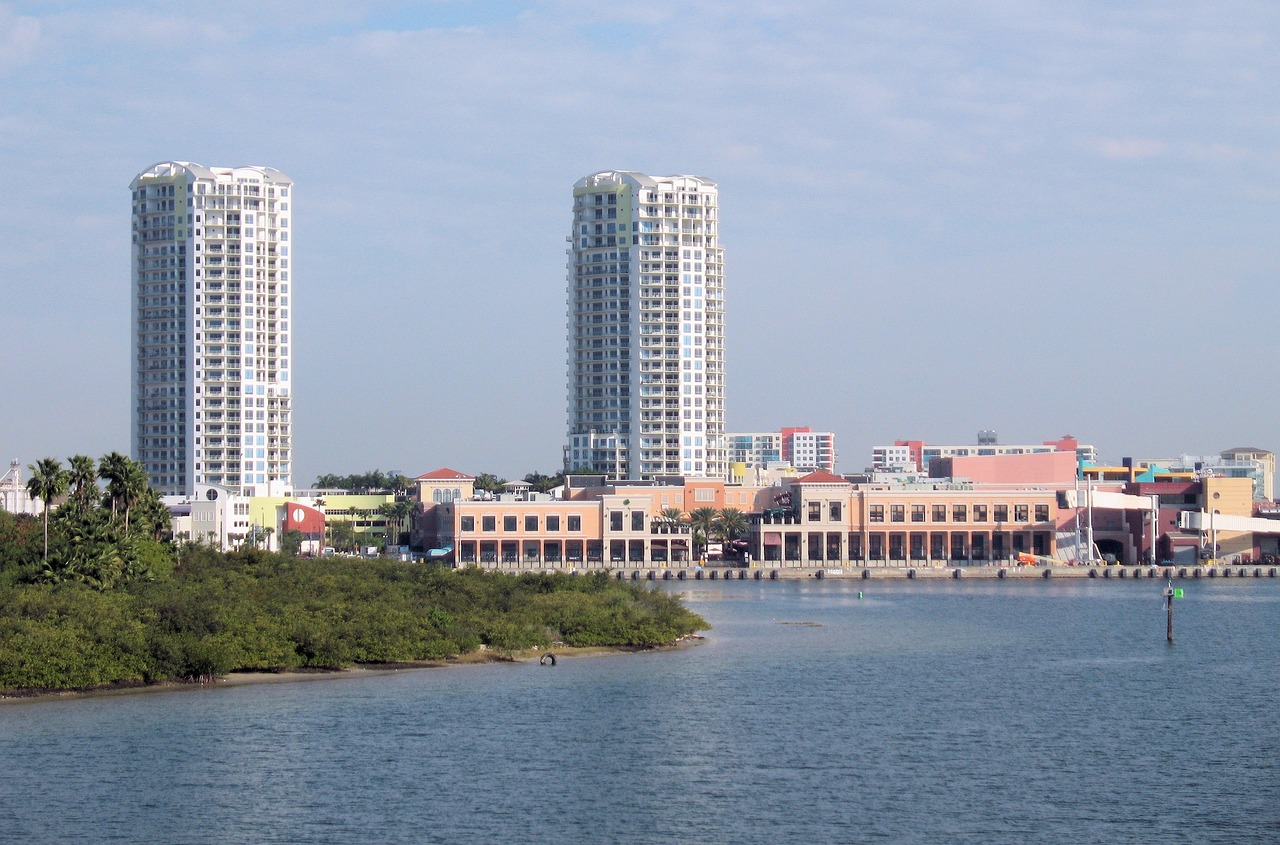
 In addition to boasting some of the top tourist destinations in the United States, Central Florida has cultivated a thriving technology cluster in a 23-county region spanning the breadth of the state. Joint programs by regional universities and community colleges cover a wide range of technology fields, from microelectronics to biotechnology, modeling and robotics, aerospace, wireless technology and digital media. The growing workforce of highly skilled, young professionals is attracting tech employers and fostering startups, adding a significant and expanding source of well-paid residents to help drive retail sales. Tampa and Orlando share a similar overall retail vacancy rate of about 9.5 percent, but Tampa’s malls have outperformed with a vacancy rate below 4 percent and average mall rents of $25 or more per square foot. In Orlando, mall vacancy is 200 basis points higher and average rent is closer to $15. Tampa’s weak spot since the recession has been excess vacancy at strip and neighborhood centers, but falling rents in those subsets showed signs of flattening in late 2013. Orlando in particular has benefited from resurgent tourism that will increase as the economic recovery takes a firmer hold in U.S. markets this year. Investor confidence in Central Florida’s outlook has driven strong demand for net-leased retail since 2011, and would-be buyers are now showing greater interest in multi-tenant properties with below-market rents that offer good upside potential.





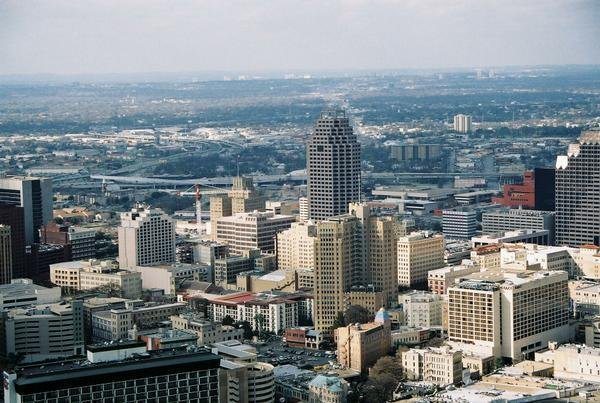
 Nearly 2 percent annual population growth and a diverse employment base are propelling San Antonio’s economy at a healthy clip, but the market lags the performance and rising profile of the other major Texas metros of Houston, Dallas/Fort Worth and Austin. San Antonio’s longstanding strength in the military and aerospace sectors, coupled with close proximity to Austin’s high tech cluster, has fostered an important cyber security sub sector. Located less than an hour’s drive south of Austin, the Alamo City has also captured a large piece of the Eagle Ford Shale energy boom emanating from South Texas, while its business-friendly climate, thriving tourism and manufacturing jobs attract new residents and fuel home sales. Office tenants were still giving back space in 2012 but absorption turned positive here in 2013. Delivery of several new office projects slowed rent growth and pushed the office vacancy rate into the middle teens last year without softening conditions enough to hamper rental rate growth. More construction is likely to begin in 2014. For investors who missed the opportunity to acquire office assets in Houston, Dallas or Austin at the bottom of the market cycle, San Antonio offers acquisition and development opportunities in a market that is in the early stages of appreciation.